
Expert Picks For Post Tension Construction Materials And Accessories
Discover essential products that ensure precision, reliability, and ease of installation in post tension building applications.
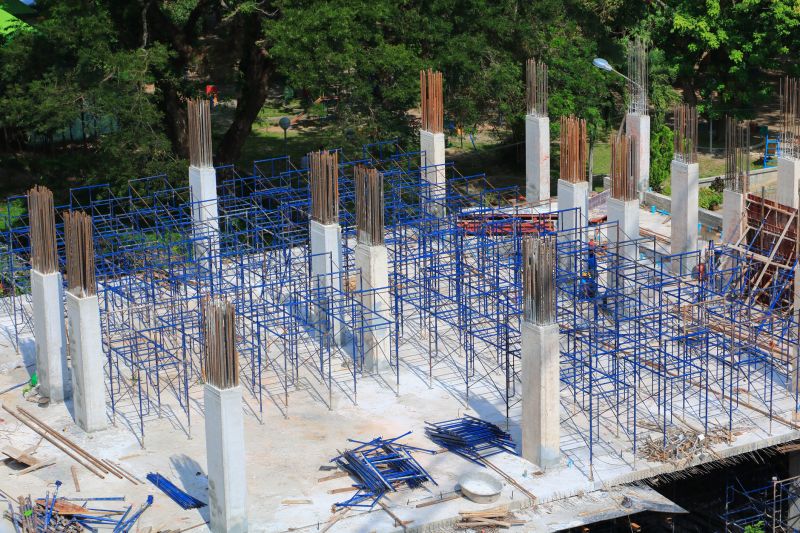 Post tension construction is a specialized method used in building and infrastructure projects to enhance structural performance and efficiency. It involves the use of high-strength steel tendons or cables that are tensioned after the concrete has cured, providing additional strength and reducing the need for excessive concrete volume. This technique is commonly employed in bridges, parking structures, stadiums, and high-rise buildings, where load-bearing capacity and span length are critical considerations. The materials and products used in post tensioning play a vital role in ensuring safety, durability, and ease of installation.
Top Overall Option
High-Strength Post Tensioning Tendons
High-strength tendons are fundamental to post tensioning systems, offering reliable tensile capacity and flexibility for various structural applications. They are available in multiple configurations, including strands and bars, with options for corrosion resistance and ease of tensioning. Selecting quality tendons ensures consistent performance and structural integrity across different projects.
Types of Products For Post Tension Constructions
Post Tensioning Tendons
High-strength steel tendons used to apply tension to concrete structures, available as strands or bars for various load requirements.
Sheathing and Ducts
Protective conduits that house tendons during installation, facilitating tensioning and preventing corrosion.
Anchorage Devices
Components that secure tendons at the ends of the structure, enabling tension application and load transfer.
Tensioning Hardware
Tools and equipment used to apply and maintain tension in tendons during construction.
Corrosion-Resistant Coatings
Protective coatings applied to tendons and hardware to prevent corrosion and extend service life.
Stressing Pumps
Hydraulic pumps used for applying precise tension forces to tendons during installation.
Grouting Materials
Materials used to fill ducts post tensioning, providing corrosion protection and load transfer.
Load Cells
Devices that measure tension force during installation to ensure proper tensioning levels.
Tendon Accessories
Additional components such as couplers, sleeves, and clips that facilitate installation and tensioning.
Tendon Lubricants
Lubricants used to ease the tensioning process and prevent friction-related damage.
Post Tensioning Kits
Complete sets containing essential components for small to medium post tensioning projects.
Structural Monitoring Sensors
Sensors to monitor tension and structural health during and after construction.
Tendon Cutting and Bending Tools
Specialized tools for shaping and cutting tendons to fit specific structural configurations.
Emergency Tensioning Devices
Equipment designed for quick tension adjustments or emergency releases during construction.
Electrical Tensioning Systems
Automated systems for precise tension application, improving efficiency and accuracy.
Popular Choices
Widely used high-strength tendons suitable for a variety of structural applications.
Commonly selected ducts for protecting tendons during construction.
Popular anchorage components for secure tendon attachment.
Frequently used tensioning equipment for precise force application.
Popular protective coatings to enhance durability of tendons.
Essential for filling ducts and protecting tendons post tensioning.
Devices frequently used to ensure proper tension levels during installation.
Common supplementary components for efficient installation.
Popular lubricants used to facilitate tensioning processes.
All-in-one kits favored for smaller projects or initial setups.
Sensors frequently employed to monitor structural health.
Essential tools commonly used in field adjustments.
The core components of post tensioning systems include tendons or cables, sheathing or ducts, anchorage devices, and tensioning hardware. Tendons are typically made of high-strength steel strands or bars, designed to withstand significant tensile forces. Ducts or sheathing protect the tendons from concrete and facilitate their installation and tensioning. Anchorage devices secure the tendons at the ends of the structure, allowing for the application of tension forces that induce pre-stress in the concrete. Proper selection and installation of these products are essential for achieving the desired structural performance.
Manufacturers offer a variety of products tailored for different project requirements, including pre-formed tendons, adjustable tensioning systems, corrosion-resistant materials, and specialized anchorage components. Advances in materials technology have led to the development of corrosion-inhibiting coatings and protective sleeves, extending the longevity of post tensioned structures. Contractors and engineers must consider factors such as load capacity, environmental conditions, ease of installation, and compatibility with existing construction practices when choosing products for post tensioning projects. Ensuring high-quality components and adherence to safety standards is paramount for successful construction outcomes.
Key Buying Considerations
- Compatibility with project specifications and load requirements
- Material quality and strength ratings of tendons and hardware
- Corrosion resistance features for durability in various environments
- Ease of installation and tensioning procedures
- Availability of accessories and replacement parts
- Compatibility with existing construction techniques and tools
- Compliance with relevant safety and industry standards
- Environmental conditions such as humidity, temperature, and exposure
- Cost-effectiveness balanced with quality and performance
- Supplier reputation and support services
- Capacity for customization or specific project adaptations
- Ease of maintenance and inspection over the structure's lifespan
- Availability of technical documentation and guidance
- Lead times and delivery reliability
- Warranty and post-sale support options